How Jersey Moving Pro Handles Interstate Moves from New Jersey
Moving across state lines from New Jersey looks straightforward on paper. You pack, load, drive, unload. Anyone who has actually done it knows the gaps between those steps are where time bleeds, nerves fray, and belongings get hurt. The distinction comes down to planning, compliance, and execution under real conditions: tight suburban streets, unpredictable weather, HOA rules, elevator windows, and a highway network that feels jammed even at off hours. This is a look at how an experienced team approaches interstate relocations originating in New Jersey, using the specific rhythms and rules of this region in mind.
The anatomy of an interstate move out of New Jersey
Every interstate relocation has three clocks ticking at once. There’s the home and sale timeline, the trucking and route timeline, and the legal timeline tied to carriers, licensing, and insurance. If one slips, the others get pulled off balance. Done right, these clocks stay in sync because of sober planning, clear inventory control, and precise communication.
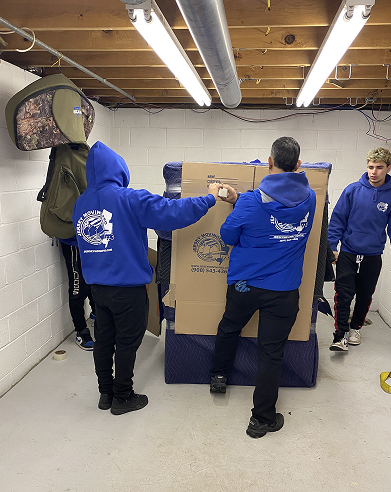
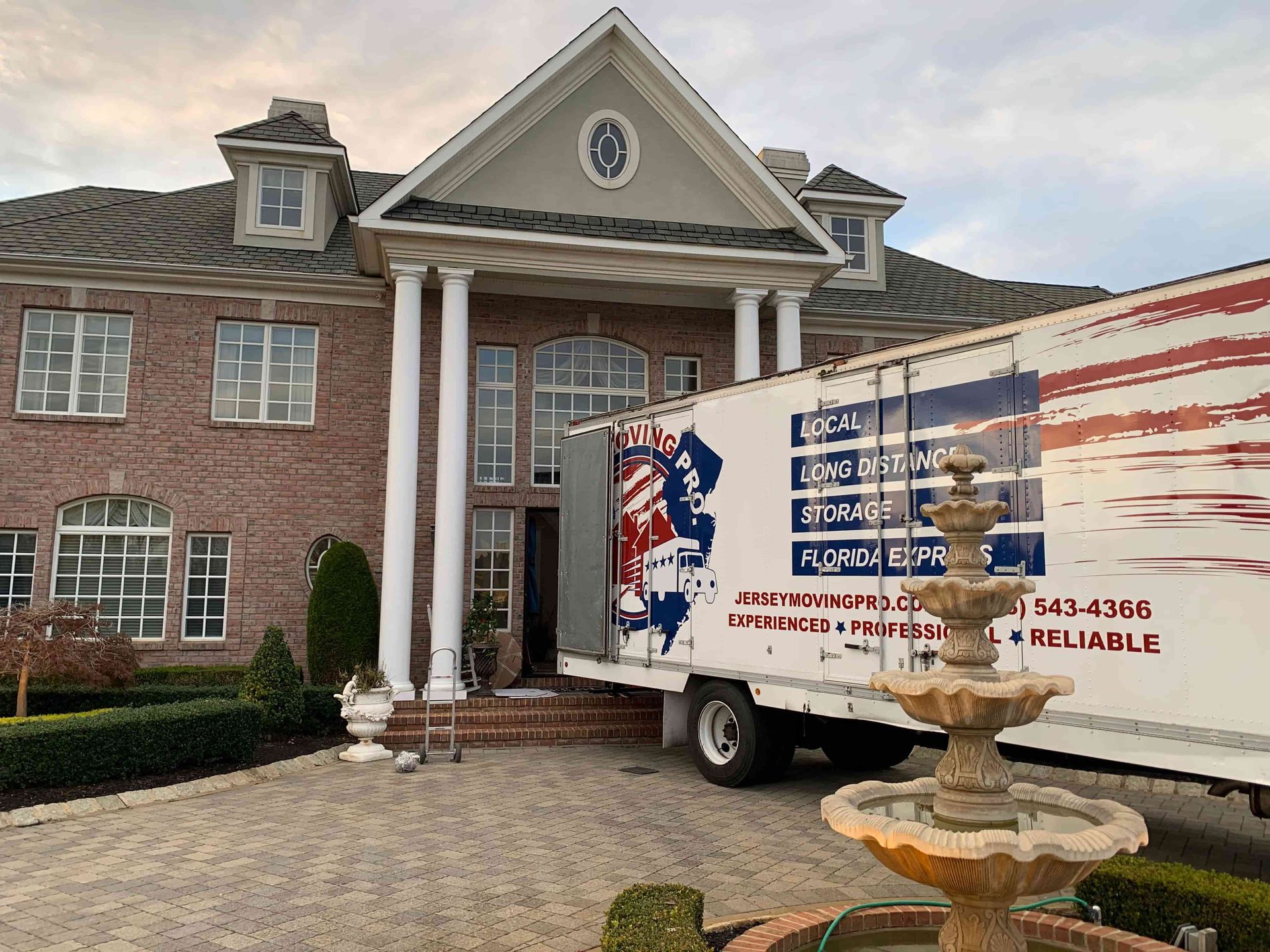
For homes in northern New Jersey, it often starts with a constraint: a driveway that fits one box truck, a condo building that only allows reservations for the freight elevator from 9 to 12, or a town that limits street occupancy permits for moving day. Moves from suburbs like Parsippany, Morris Plains, and Morristown also involve road timing. You do not stage a 53-foot tractor trailer on a bend off Route 80 at 7:30 a.m. on a weekday. You shuttle with smaller trucks, consolidate at a staging lot, and make linehaul departure once the load is properly containerized and secured.
A good interstate organize teams a local crew who comprehend the neighborhood with a linehaul driver who understands interstate compliance and the longer route dynamics. The risk is not just a dinged dresser. It is a missed elevator window in Hoboken that cascades into missing a tunnel time frame, then an overnight driver switch that pushes delivery by a day. Plans fail when they do not account for how these events amplify each other.
The Jersey Moving Pro process from first call to final delivery
Work begins with a real inventory, not a guess. If it is done by phone, it uses a guided room-by-room script that captures dimensions, materials, and risk points. For larger homes or complex properties, an estimator walks the space. They are looking for three things in particular: the path to the truck (stairs, corners, landscaping, thresholds), the special handling items (glass, stone, antiques, gym machines, pianos), and the time sinks that derail schedules (crawlspace cache, attic storage, disassembled beds missing hardware).
Jersey Moving Pro uses that assessment to build a load plan. They place heavy and dense items low and centered, keep fragile zones isolated, and map what gets broken down and wrapped the day before the shift. That packing day is where damage prevention is won. Proper padding on banister turns, corrugated corner guards on buffets, painter’s tape on latches, and double-walled boxes for dishes are small decisions that pay off hundreds of miles later. The linehaul driver is looped in early with the cube count and weight estimate so the right equipment demonstrates up.
On move day, the crew stages the home. Rugs get papering. Floors get runners. Door frames take foam covers. Wrap stations get set with tape guns, pads, shrink, and labeled bins to keep hardware and small parts together. The crew leader runs a pre-load briefing covering the order of rooms, the building rules (no dollies on lobby tile without protection, elevator padding before the first load), and the route to the truck. They confirm elevator reservations and site permits in writing.
At load time, a second inventory is created that matches to the packing inventory. This double system pays off if a box gets separated between shuttle and trailer. Photos are taken of unique pieces, like a marble-top buffet, to document existing wear and seams. The driver inspects the loaded trailer once consolidation is full. Straps are checked, tiering is stable, and the road kit encompasses furniture pads for delivery so no crew arrives short on protection.
Jersey Moving Pro’s approach to regulations and documentation
Interstate shifting is a regulated space. The federal government oversees carriers under the Department of Transportation and the Federal Motor Carrier Safety Administration. The rules govern licensing, insurance, bill of lading requirements, valuation coverage, and how estimates are presented. Shippers sometimes find the paperwork confusing. It matters because the paperwork is also your protection.
Jersey Moving Pro delivers a written estimate and disclosure of valuation options. Valuation is often misunderstood as insurance, but it is a carrier’s contractual liability, usually offered as released value at 60 cents per pound, or full value protection with a declared value. The smart approach is situational. A family moving a 450-pound piano, a custom glass table, and artwork should discuss full value coverage with clear exclusions and appraisals for high-value items. A simpler transfer of durable items may rely on released value but through higher focus on packing quality. The team will also state pickup and delivery spreads that reflect real conditions like traffic, weather, and hours-of-service rules for drivers.
Documentation matters while inventory as well. A detailed inventory with box numbers mapped to contents, plus specific item tags, lets both sides track progress. If a customer cannot be at delivery, the inventory enables an authorized representative to match counts in a straightforward way.
Handling New Jersey’s weather the pragmatic way
Snow, ice, and nor’easters add a layer of risk. It is not just about driving. It is about footing on front steps, traction on ramps, and temperature swings that affect wood and lacquer finishes. Jersey Moving Pro’s crews carry calcium chloride for icy walks, curb ramps when the truck cannot mount the driveway lip, and burlap or traction mats for slick walkways. When heavy snow is forecast, the plan might shift to a pre-pack day with only essentials kept out, then a flexible load day that fits the weather window. For sensitive items, crew members acclimate wooden pieces and instruments, especially pianos and solid wood tables, minimizing thermal shock when transferring from a heated home into cold air and back into a heated truck or storage.
Summer has its own quirks. Afternoon thunderstorms, higher in-cab temperatures, and heat stress for crews can slow the pace. A good leader sets water breaks, staggers heavy lifts, and adjusts load sequencing so high-value wood and electronics are not placed directly against hot trailer walls.
Routing across state lines without drama
Driving a loaded rig from New Jersey into Pennsylvania, New York, or farther south requires more than GPS. The game is to avoid choke points and low-clearance surprises, then match timing to rules in urban delivery zones. Weekend departures work for some routes, but not if the destination restricts Sunday deliveries in multifamily buildings.
Experienced linehaul drivers know the pinch points: the approach to the George Washington Bridge, the Holland and Lincoln tunnel constraints, and the weight and route restrictions on parkways. When moving to neighboring Pennsylvania, a common pattern is to stage in North Jersey, push across on 80 or 78 in off-peak hours, then make local delivery with a smaller truck if the destination has tight access. The same logic applies to South Jersey origins where the AC Expressway or the Delaware Memorial Bridge can complicate timing.
Jersey Moving Pro keeps dispatch in touch using the driver with GPS tracking. That is not a gimmick. If a highway accident stops traffic for hours, dispatch can alert the receiving building, reschedule an elevator window, and prevent a wasted day. On a recent relocation from Parsippany to a high-rise in Midtown, a crew adjusted departure by 90 minutes to land in a freight slot, avoiding overtime charges and a second-day return.
Packing techniques that survive the miles
Long-distance moves reveal the weak points in packing. The vibration alone over 500 to 1,000 miles can work bubble wrap loose or allow furniture to rub. Jersey Moving Pro crews use packing approaches based on material and weight, not just a one-size-fits-all.
Glass table tops get foam corners, corrugated sleeves, and a double-wall carton. Large framed art rides in mirror cartons or custom crates with edge protection. China is packed vertically in dish barrels with cell dividers and wrapped tight enough to avoid rattle. Electronics get their cords labeled and taped to the unit. Where possible, original boxes are used for TVs or monitors. For a marble-top dresser, the top is removed, crated or double-boxed with rigid foam, and the base wrapped in blankets and shrink to prevent drawer creep. For leather sofas, a breathable wrap sits under the shrink so the leather does not sweat and stick.
The goal is tight fill. A box should not echo when you move it. Furniture pads should be clean and tied, not just draped. Ramps and doorways receive temporary protection so items do not pick up scuffs in the last five feet.
Jersey Moving Pro’s plan for narrow streets and tight spaces
Many New Jersey neighborhoods were not designed for modern moving trucks. Think of older sections of Morristown, parts of Hoboken, and historic districts using tree-lined streets and steep angles. A crew that knows these conditions will pre-visit or use street-level imagery to assess access. If a 53-foot trailer cannot make the turn, the crew uses a shuttle: a smaller box truck ferries goods to the tractor trailer parked legally and safely. This adds time, but it is safer and avoids tickets or neighborhood conflicts.
Inside historic homes, plaster walls and narrow staircases demand patience and creative geometry. Jerseyside crews often strip larger sectionals, remove bannisters when allowed, and use shoulder straps for better lift control while maintaining a low profile through tight doorways. For Victorian-era homes in Morris County, door swing clearances are measured, and protective coverings are applied before the first lift.
Scheduling around the realities of busy highways
The phrase rush hour does not fully capture North Jersey’s traffic. There is the weekday morning surge, the midday construction slowdowns, and the Friday afternoon exodus to the Shore. A disciplined schedule does not fight these currents head-on. Pickup addresses inside dense corridors get early starts, sometimes before 8 a.m., via a second wave midday at a suburban home that does not face the same constraints. When the origin or destination is in New York City, elevator reservations are coordinated in tandem with tunnel or bridge timing. The freight slot dictates the day’s anchor points. Miss that and your crew sits.
On an interstate run, hours-of-service rules for drivers add their own guardrails. You cannot simply drive through the night to make up for a delay. Dispatch plans refueling, rest breaks, and handoffs if the run is long enough to require them. That discipline is what prevents the problem of a tired driver navigating a strange neighborhood at dusk.
Jersey Moving Pro on protecting floors and finishes
When you exit a New Jersey colonial with original hardwood, you protect it like a museum. Rosin paper or reinforced runners go down from the front door to the main travel paths. For homes with soft pine or newly refinished oak, extra layers are added at turns and stair landings. Inside condos with lobby rules, masonite can be laid under dollies if permitted. Door jambs get foam protectors, and stair rails are padded to handle shoulder straps and turning motion. This is less about optics and more about control. A single slip on stairs can wreck both a chest and a tread. Proper traction and protection reduce the chance of both.
Special handling: pianos, artwork, gym equipment, and antiques
High-value items deserve their own plan. Upright pianos are hard enough. Baby grand pianos require disassembly: legs off, lyre off, keyboard protected, action secured, parts wrapped and bagged. The body goes on a skid board, strapped, and handled by at least three people on stairs. For a split-level home, the pivot at the landing is the hazard zone. Seasoned teams turn slowly, communicate, and anchor each transfer.
Artwork rides best in crates or mirror cartons using corner protection. Oil paintings need breathable wrapping, not plastic directly on the surface. For large canvases, a rigid skeleton crate travels well in a trailer tiered with soft goods as buffers. Gym equipment often looks simpler than it is. Treadmills may need deck locks engaged and consoles removed. A crew that labels cabling and screws saves hours on the other end.
Antiques pose trade-offs. Refinishing costs and sentimental value argue for custom crating, but budget and scheduling can push toward heavy pad and box protection. Jersey Moving Pro tends to recommend crating for marble, glass, and any item using fragile inlays or veneers. The practical measure is to ask what damage would be unacceptable and align handling to that.
Communication standard that keeps everyone sane
A predictable rhythm of communication lowers anxiety and prevents mistakes. A clear pre-move call confirms addresses, elevator windows, permits, special items, and weather contingencies. During load day, the crew leader remains the single point of contact and handles any scope changes: the neighbor’s shed furniture that suddenly appears, the forgotten attic boxes, or the grill that still has propane and needs to be purged.
On the road, GPS tracking lets dispatch provide location updates. For delivery, the receiving party gets a window and a confirmation the day before. If a closing delay pushes occupancy, temporary storage can bridge the gap. It is cleaner to plan for that possibility in advance than to scramble on the day.
The art of moving out during tax season, school calendars, and HOA rules
Timing layers matter. In New Jersey, property tax cycles and school calendars affect shift dates. Families often target late June or late August to thread summer breaks, which also happens to be peak moving season. That means teams and equipment are in high demand and building elevators are booked weeks out. HOA rules add another constraint. Some communities restrict weekend moves or limit truck parking to specific areas. The way around these constraints is early coordination and alternative plans: a weekday pack, a Friday load with a Monday delivery, or a staged shift through storage if the destination cannot receive on the desired day.
High-rise buildings require certificates of insurance, sometimes with specific wording and coverage levels. Jersey Moving Pro prepares COIs upon request, coordinates with building management, and confirms requirements for floor protection and elevator padding. Skipping this step means you could be turned away at the door.
Jersey Moving Pro on insurance, valuation, and realistic risk management
There are two truths about interstate moving. First, careful packing and handling prevent the vast majority of damage. Second, accidents still happen over hundreds of miles. Understanding the options matters more than slogans. Jersey Moving Pro walks through full value protection, released value, and when a third-party insurance policy might make sense. High-value declarations for items like artwork, sculptures, or wine collections should be supported by appraisals and photos. Digital records help if a claim is necessary. For electronics, functional tests at delivery lower dispute risk. A good crew encourages unboxing and inspection of fragile items shortly after arrival, not days later.
Case vignette: Parsippany to coastal North Carolina
A recent household relocation from Parsippany shows the interplay of planning and improvisation. The origin was a split-level with a tight stairwell, original oak floors, and a baby grand in the living room. The destination was a new build outside Wilmington with HOA rules on truck parking.
The crew scheduled a pre-pack day midweek, took the piano apart and crated the top, and staged all hardware in labeled bags taped inside larger component wraps. On load day, the town issued a temporary no-parking sign for the curbside to keep the area clear. An early arrival beat the local school traffic. The linehaul was set to leave the next morning, avoiding a storm system crossing Maryland.
Delivery was scheduled two days later, coordinated with the HOA for a street parking area that allowed only four hours. The team sent a shuttle truck to ferry from the main trailer staged at a nearby lot. The piano reassembly took an hour and a half. The homeowners had one damaged lampshade and a scuffed crate corner, both documented and resolved through valuation. Everything else landed as planned because the crew stayed inside the constraints, not in spite of them.
Why operations discipline beats heroics on long hauls
A zero-damage move is not about strong backs. It is about fatigue management, route selection, pacing, and precise handling. Personnel that rush to beat traffic let their guard down on the last few hours of a long day. The better practice is to build margin into the schedule, accept that a two-day linehaul is safer than a one-day push in many cases, and keep the team fresh for delivery. It also respects hours-of-service limits and reduces the risk of minor errors like misplacing a hardware bag or stacking a box of books on top of a lamp carton.
The practical checklist customers can use before the crew arrives
Use a short list to lower friction and minimize surprises.
- Clear access: reserve parking, measure doorways, and flag tight turns or low branches that might hit a truck roof. Elevators and COIs: confirm your freight elevator window and send building insurance requirements in advance. High-value items: photograph, appraise if needed, and declare items like art, instruments, or antiques. Utilities and prep: defrost refrigerators, drain washers, and disconnect gas lines with a licensed pro. Essentials: pack a first-night box with meds, chargers, basic tools, and bedding so you are not hunting at midnight.
This small set of tasks has outsized impact, especially when the schedule is tight and the building rules are strict.
Jersey Moving Pro’s training and crew culture
Training shows in the small moves: how a dresser is tipped so drawers do not slide, how a dolly is used on brick steps, how straps are set to keep a tier from creeping on a long downhill grade. New crew members are paired with veterans who model pacing and communication. The tone is professional without bravado. A crew that talks through each pivot carries fewer dents out the door. Jersey Moving Pro invests in that cadence. It is visible in how they assign roles, how they handle customer questions, and how they make decisions under pressure. The goal is a calm load and an even calmer delivery.
Managing cross-country relocations versus regional relocations
A run to Pennsylvania or Connecticut is one category. A move to Florida or the West Coast is another. Longer hauls multiply both the risks and the points where discipline saves the day. Climate-controlled storage can be used between closings if dates do not match. For Florida-bound shipments, heat can be extreme in the trailer. Electronics and candles are not friends with 100-degree interiors, so timing and packing adjust to protect sensitive items. Cross-country trips often involve relay points where trailers are reworked. A consistent inventory and labeling system is the defense. Without it, shipments can tangle.
Jersey Moving Pro treats cross-country routes as stages. Load and protect at origin, transfer control at a known terminal using a clear chain of custody, and schedule delivery with a spread that respects distance and rest requirements. Most problems shrink when you refuse to compress time unrealistically.
Handling last-minute changes and real estate curveballs
Closings slip. A movers in new brunswick nj lender asks for another document. A walkthrough finds an issue that pushes keys to Monday. When that happens, a transferring plan needs flexibility that does not turn expensive. Temporary storage might be as short as two nights. It necessitates clear documentation of sealed trailers or vaults and a promise that the load plan will be preserved. For apartment moves, elevator windows change and you pivot. A seasoned dispatcher keeps backup windows, and a crew leader communicates frankly about what can and cannot fit the new timeframe. It is better to stage part of a delivery well than to half-finish everything and face overtime rules and building fines.
The Jersey Moving Pro difference in expert moving solutions
Plenty of companies can move a sofa. Very few can manage a multi-state relocation that touches a gated community with strict HOA rules, a school-year calendar, and a historic home with narrow stairs, all while staying inside legal and safety constraints. Jersey Moving Pro focuses on the unglamorous parts of the job: permits, COIs, elevator pads, insurance language, inventory control, and route timing through the worst highway knots in the region. That attention shows up not in slogans but in fewer surprises and smoother deliveries.
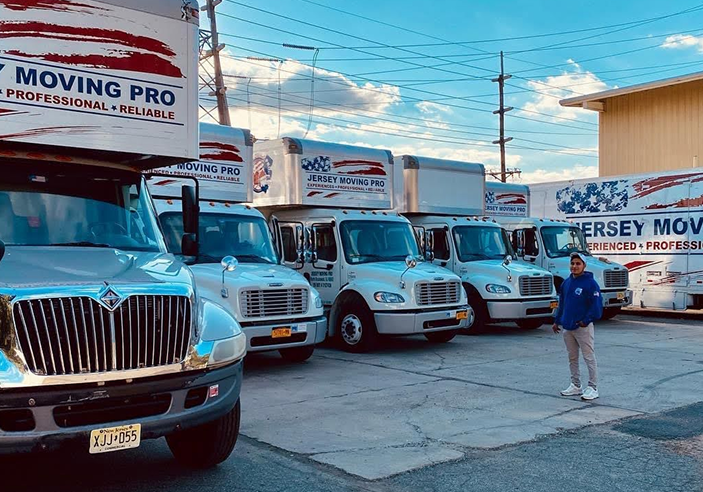
On a winter relocation from Morris County to western Pennsylvania, their crew showed why fundamentals matter. Snow started at 5 a.m., and the driveway iced over. Instead of risking a slip with a loaded dolly, they sanded the path, staged inside, and loaded in smaller batches, adding twenty minutes to the schedule and saving a potential injury. They wrapped wood furniture with breathable pads to avoid condensation under shrink in the cold. The result was an on-time delivery with no floor damage at origin and no rush at destination despite the weather.
How Jersey Moving Pro navigates multi-family and urban constraints
Elevators, loading docks, and COIs can make or break an urban handoff. For high-rises in Jersey City, Hoboken, and Manhattan, the transferring day prepare begins via the building’s rules. Jersey Moving Pro coordinates elevator reservations weeks in advance when possible, confirms load dock dimensions, and checks whether a driver needs to sign in with security. Some buildings limit the size of items in elevators, which means large furniture has to be hoisted or disassembled. Crews bring the right tools and padding to break down sectionals, remove doors, and reassemble on site. Attention to these details prevents the awkward moment when a couch stalls in a lobby and a building manager starts reaching for a rulebook.
When to crate, when to pad: judgment calls that save grief
Custom crating costs time and money. It is not always necessary. The call depends on fragility, value, and route length. A glass sculpture crossing three states warrants a crate with rigid foam and tie-down points. A benchmark mirror can often ride safely in a mirror carton with corner protection inside a pad-walled trailer cavity. Granite and marble are brittle, and if they crack, they are done. Those tops should be crated or at least double-walled and rigidly supported on edge. Where a customer hesitates, crews can often crate only the most vulnerable parts and pad the rest. The key is to explain the failure modes. People make better decisions when they understand how items get damaged.
The result of doing the small things right
An interstate shift from New Jersey does not reward heroics. It rewards discipline and patience applied at many small moments: writing the right box number, protecting a door latch before it snags a pad, loading dish barrels in a tier where they cannot creep, choosing a departure window that misses the tunnel crunch, staging parking permits three days early, confirming an HOA truck policy in writing. When those pieces click, the road miles become just miles, not stress multipliers.
Jersey Moving Pro treats each of those moments as part of the job, not extras. That mindset is why families feel less strain, why buildings welcome repeat crews, and why long-haul deliveries arrive looking like they left. It is not magic, and it does not require luck. It requires doing the work the right way when no one is watching and the truck doors are still open.